

Siskin Care Guide (UK)
Care Guide
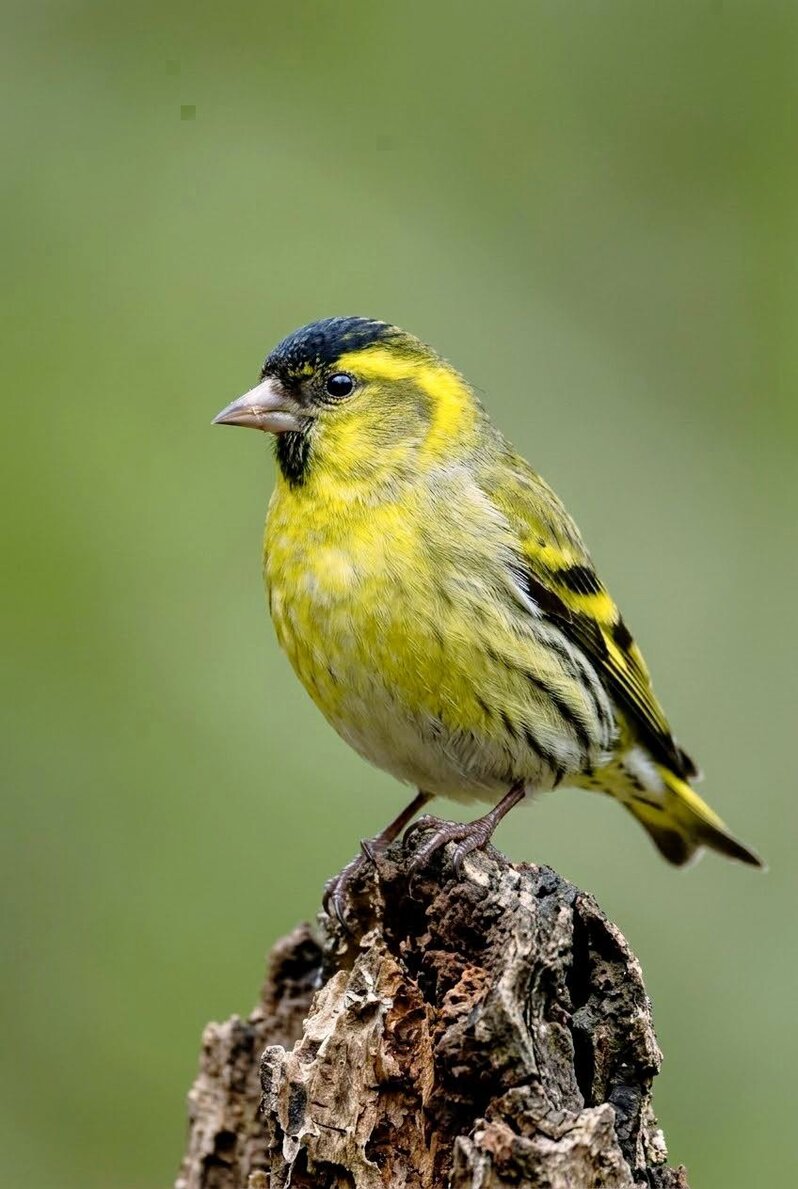
At a glance: The Eurasian Siskin (Spinus spinus) is an active, social British finch renowned for its lively song and constant movement. Best kept in spacious aviaries with conspecifics or compatible finches. This guide focuses on practical husbandry for UK keepers.
Lifespan: 6–10 years with good care
Temperament: Busy, alert, best observed rather than handled
Recommended for: Intermediate keepers and above
Key needs: Flight space, clean seed mix with oil-rich seeds (e.g., niger), soft food during breeding, and excellent biosecurity
Lifespan: 6–10 years with good care
Temperament: Busy, alert, best observed rather than handled
Recommended for: Intermediate keepers and above
Key needs: Flight space, clean seed mix with oil-rich seeds (e.g., niger), soft food during breeding, and excellent biosecurity
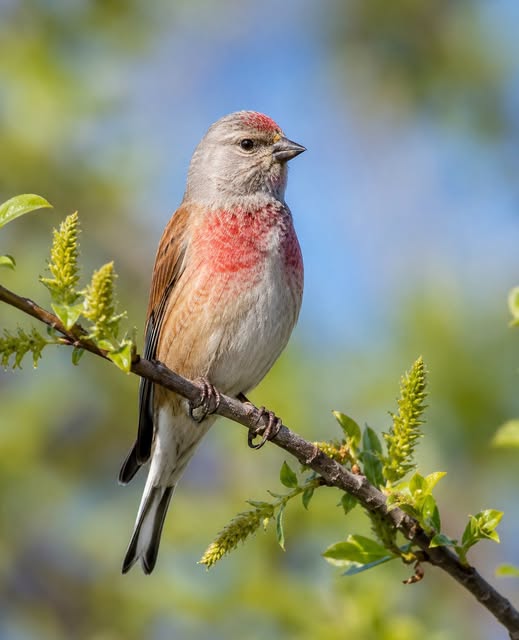
Provide a clean, varied seed mix with emphasis on small oil seeds (niger, canary, rapeseed). Offer fresh soft food daily in breeding and molt, and 3–4x weekly otherwise. Add sprouted seeds and finely chopped greens (chickweed, dandelion leaves) as seasonal extras. Fresh water twice daily; use narrow dishes to reduce fouling. Vitamin/mineral support should complement, not replace, good base nutrition.
Avoid: stale or dusty seed, sweet treats, and sudden diet changes. Introduce any new item gradually and monitor droppings and weight.
Avoid: stale or dusty seed, sweet treats, and sudden diet changes. Introduce any new item gradually and monitor droppings and weight.
Condition pairs gradually with lengthening daylength (natural or controlled). Provide multiple semi-concealed nest sites with evergreens and privacy screens. Offer fine nesting materials (coco fibre, sisal, soft grasses) and a reliable soft food. Calcium and mineral grit should be freely available. Keep one cock per aviary section during breeding to reduce stress. Record lay dates; avoid disturbing during incubation. Fledge support: sprouted seeds, eggfood, and clean water close to perches.
Note: Do not breed from birds showing respiratory signs, chronic diarrhoea, or poor condition.
Note: Do not breed from birds showing respiratory signs, chronic diarrhoea, or poor condition.
Watch for weight loss despite eating (possible parasites), tail-bobbing or wheezing (respiratory), and stained vents or loose droppings (enteric upset). Isolate promptly. Keep a simple daily checklist: appetite, activity, breathing, droppings, plumage. Maintain a quarantine cage with separate utensils. Work with an avian vet for diagnosis and treatment; avoid blanket medicating without evidence.
Prevention: steady hygiene routine, seed storage in airtight tubs, regular perch rotation, and pest control that is safe for birds.
Prevention: steady hygiene routine, seed storage in airtight tubs, regular perch rotation, and pest control that is safe for birds.
Siskins are best managed with calm routines rather than frequent handling. Train for crate entry using target feeding to simplify vet trips. Enrichment ideas: fresh twig bundles, rotating perch textures, foraging seed heads (millet sprays, teasel), shallow bath trays in the warm part of the day. Provide visual cover to reduce flightiness. Ensure daily quiet hours and avoid bright lights at night to protect circadian rhythm.
Keep only legally captive-bred birds with appropriate closed rings and provenance. Never take from the wild. Follow UK legislation and local bylaws regarding sales, transport, and record-keeping. Provide lifetime welfare: adequate space, enrichment, and responsible breeding plans. Be transparent when selling or rehoming—share ring numbers, hatch year, and husbandry notes. If unsure, consult up-to-date guidance and your local authority.