




Redpoll Care Guide (UK)
Care Guide
Species Overview
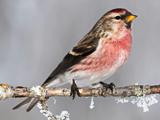
Common/Mealy Redpoll (Acanthis flammea/cabaret) — hardy, active finch suited to planted aviaries or spacious cages. Typical lifespan 5–8 years in good care.
Alert, flock-oriented; males sing well. Generally peaceful with similar-sized finches.
Small finch with crimson cap; Mealy (A. flammea) tends paler/greyer; Lesser (A. cabaret) smaller/darker. Keep subspecies pure when breeding.
Best for keepers with some finch experience who can offer varied diet and quiet housing.
- Ideal ambient: 5–20°C; protect from drafts and damp.
- Best kept: Same-species pairs or small groups; avoid overcrowding.
- Ringing: Closed-ring captive-bred birds only in the UK.
For a pair, 120 cm (L) x 60 cm (D) x 90 cm (H) minimum; larger flights preferred. Provide a sheltered night box in outdoor runs.
Use mixed diameters and natural branches; arrange to encourage short flights, not constant hopping.
Paper/sand over trays; spot-clean daily; full clean weekly. Keep feeders and drinkers separate and raised.
Dry, draft-free; protect from extremes. Provide natural photoperiod; avoid sudden lighting changes.
Quarantine new birds 3–4 weeks away from the main aviary; dedicated tools for quarantine area.
House with calm finches of similar size; avoid mixing with aggressive species.
Quality British-finch seed mix with red/lesser canary seed, niger, and a little millet. Fresh water twice daily.
Offer protein-rich soft food 3–4x/week (daily in breeding).
Chickweed, dandelion, spinach, sprouted seeds—small portions; wash well.
Grit, mineral/calcium, and iodine block available; vitamin/mineral supplement as per label (avoid overdosing).
Avocado, onion, chocolate, salty/fatty foods.
Offer protein-rich soft food 3–4x/week (daily in breeding).
Chickweed, dandelion, spinach, sprouted seeds—small portions; wash well.
Grit, mineral/calcium, and iodine block available; vitamin/mineral supplement as per label (avoid overdosing).
- Pre-breeding/moult: increase soft food and oily seeds slightly.
- Winter: maintain calories but avoid obesity.
Avocado, onion, chocolate, salty/fatty foods.
Pair in late winter; breed Mar–Jun with natural light.
Observe compatibility before introducing; provide multiple food points to reduce squabbles.
Offer open finch baskets and dense cover. Place 2–3 options per pair at different heights.
Coconut fibre, jute, kapok, fine grasses; avoid synthetics that can entangle.
4–5 eggs, 11–12 days incubation; chicks fledge ~12–14 days. Provide soft food, eggfood, and small insects in moderation.
Use appropriate closed rings for captive-bred identification; keep simple records (parents, hatch dates).
Bright eyes, even breathing, tidy plumage, normal droppings, steady weight. Isolate promptly if off-colour.
Establish a relationship with an avian/exotics vet; keep basic records (weights, treatments).
- : draft/damp; improve ventilation; consult avian vet if wheezing/tail-bobbing.
- : mites/lice—hygiene and appropriate treatments as directed by a vet.
- : linked to dirty water/soft food—refresh twice daily.
- House in separate room with own tools for 3–4 weeks.
- Observe appetite, droppings, breathing daily.
- After quarantine, introduce visually then gradually in neutral space.
Establish a relationship with an avian/exotics vet; keep basic records (weights, treatments).
Share tips or ask a question
0
reviews
Your opinion is important to us and helps us improve our service.
Keep to essentials; move calmly at perch level; train step-ups with millet. Use a dim room for safe catches—never chase.
Provide line-of-sight to conspecifics; allow daily flight time in safe flights.
Quiet mornings, predictable feeding/cleaning windows to reduce stress.
- Mon: Fresh natural branches, new diameters.
- Wed: Forage scatter of safe seeds in a tray of dry leaves/sand.
- Fri: Whole heads (teasel, dandelion) or seed pods.
Provide line-of-sight to conspecifics; allow daily flight time in safe flights.
Quiet mornings, predictable feeding/cleaning windows to reduce stress.
Keep and trade only captive-bred, closed-ring birds with proof of origin. Do not take from the wild.
Keep simple records (ring numbers, hatch dates, transfers). Provide a basic receipt when buying/selling.
Use secure, ventilated carriers; avoid heat/cold stress; never ship by illegal methods.
Prioritise welfare, enrichment, and responsible pairing to protect wild populations.
Keep simple records (ring numbers, hatch dates, transfers). Provide a basic receipt when buying/selling.
Use secure, ventilated carriers; avoid heat/cold stress; never ship by illegal methods.
Prioritise welfare, enrichment, and responsible pairing to protect wild populations.
Yes, if acclimatised and provided with a dry, draft-free shelter and frost protection.
Optional; offer small amounts during breeding for condition. Balance with clean soft food.
For clarity and ethics, keep subspecies separate when breeding.
- Blog: Quarantine and Health Checks for New Birds.
- Blog: Legal Considerations for British Finches in the UK.
- About & Contact: reach out for bespoke advice.