




Canary Care Guide (UK)
Domestic Canaries (Serinus canaria forma domestica) are beloved for their song, colour varieties, and gentle nature. They thrive with consistent routines, clean surroundings, and calm handling. This guide focuses on UK-appropriate husbandry, with links to relevant laws and resources.
- Lifespan: typically 8–12 years with good care
- Temperament: generally gentle; some strains more active
- Best for: keepers who value song and observation over frequent handling
Tip: Prioritise fresh air, natural light (not drafts or direct harsh sun), and steady nutrition. Replace any default images with your own aviary photos for authenticity.
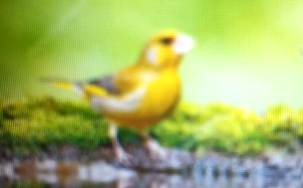
Select a spacious cage (minimum 60 cm wide for a single bird) with horizontal bars for exercise. Use natural perches of varying diameters, plus a separate area for bathing. Site away from kitchens, drafts, and direct heat sources.
- Substrate: paper or corn cob; change frequently
- Perches: apple, willow, or safe hardwoods; avoid uniform plastic
- Lighting: 10–12 hours non-breeding; extend gradually for breeding
- Aviary: provide shelter, windbreaks, and predator protection
Clean food and water daily; disinfect perches and trays weekly.
Diet & Nutrition
Provide a balanced canary seed mix, daily fresh greens (e.g., chickweed, spinach in moderation), and a quality soft food during breeding and molt. Fresh water available at all times.
- Staples: canary seed base with mixed millets
- Supplements: cuttlebone and mineral grit for calcium
- Treats: egg food in small amounts; avoid sugary mixes
- Toxic: avocado, chocolate, alcohol, caffeine, onion, garlic
Introduce any diet change gradually over 7–10 days.
Condition hens and cocks with rich soft food, greens, and longer daylight (increase by 15–20 minutes per week). Provide open or half-open canary nests with felt liners; offer coconut fibre, jute, and short dry grass. Avoid overcrowding and ensure privacy.
- Clutch: 3–5 eggs; incubation ~13–14 days
- Chicks: ring at appropriate size with closed rings
- Hygiene: keep nest hygiene high; remove soiled materials
- Records: track pairings, hatch dates, and chick growth
Separate juveniles when independent to prevent bullying and to manage song development.
Monitor droppings, weight, posture, and song activity. Common issues: mites, respiratory infection, egg-binding, and nutritional deficiencies. Quarantine new birds for 30 days in a separate room with dedicated tools.
- Red flags: fluffed feathers, open-mouth breathing, tail bobbing
- Immediate action: isolate, provide warmth, contact an avian vet
- Prevention: hygiene, balanced diet, avoid overcrowding
This guide is educational and not a substitute for veterinary advice.
Minimise handling; train calm step-ups if necessary using slow movements and soft voice. Offer foraging (seed in sprays, puzzle feeders), varied perches, safe fresh branches, and daily song enrichment at comfortable volumes.
- Baths: offer shallow bath 3–4 times weekly
- Toys: rotate simple toys; avoid mirrors if they trigger stress
- Rest: ensure quiet, dark sleep period
Respect natural behaviours and avoid forcing interactions—wellbeing first.
Domestic canaries are not wild-caught UK species, but UK animal welfare laws still apply. Provide for the Five Welfare Needs: suitable environment, diet, ability to exhibit normal behaviour, housed with/away from others appropriately, and protection from pain, suffering, injury and disease.
- Sales: keep basic records of transfers and rings where used
- Transport: secure carriers; avoid extremes of temperature
- Ethics: pair thoughtfully, avoid overbreeding, and plan homes for surplus young
Always follow local council guidance if operating at scale.
FAQs
- Can canaries live alone? Yes, many do well singly if given enrichment and attention. Avoid housing with aggressive species.
- How often should I bathe my canary? Offer a bath several times a week; more during hot weather and molt.
- Best temperature? Stable 15–22°C; avoid drafts and sudden changes.
- Song too loud? Reduce echoes with soft furnishings; provide quiet hours.
Further Reading: Explore our blog categories on Care & Husbandry, Health & Biosecurity, and Breeding for deeper dives.