




Greenfinch Care Guide (UK)
Care Guide
Housing & Aviary Setup
Provide as much uninterrupted flight space as possible. A sheltered outdoor aviary or a large indoor flight cage with a quiet roosting area works best. Avoid overcrowding; stable social groups reduce stress.
Essentials
• Size: Aim for length over height; uninterrupted horizontal flight is key.
• Perches: Natural, mixed diameters (e.g., hazel, willow, fruit wood). Rotate to prevent pressure sores.
• Substrate: Easy-clean sanded trays or paper; spot-clean daily, deep-clean weekly.
• Shelter: Dry, draft-free night shelter; protect from extreme cold and damp.
• Enrichment: Fresh browse (non-toxic), safe seed heads, and seasonal branches.
• Biosecurity: Dedicated tools for each enclosure; footbath on entry; quarantine new birds for 30 days.
Compatibility
Greenfinches can be kept in single-species flights or mixed with similar-sized British finches outside the breeding season. Separate pairs during breeding to prevent aggression.
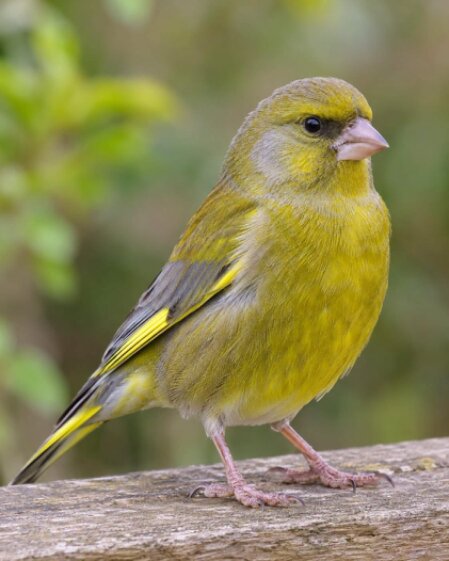
Diet & Nutrition
A balanced seed mix is the base: canary seed, millets, a modest amount of oilseeds (e.g., sunflower hearts, niger) and seasonally appropriate extras. Offer variety but avoid obesity.
Daily plan
• Seed base: Fresh, sifted; remove hulls daily.
• Greens: Chickweed, dandelion leaves, tender shoots; wash and dry before serving.
• Soft food: Protein-rich mix 3–5x/week; daily during breeding and for chicks.
• Protein: Soaked seeds, egg food, sprouted seeds in breeding/moult.
• Minerals: Always provide mineral grit and a cuttlebone for calcium.
• Water: Fresh, twice daily in hot weather.
Seasonal notes
Increase protein and soft foods during breeding and moulting; reduce oily seeds in maintenance periods. Monitor body condition by regular, gentle checks.
Breeding & Nesting
Plan breeding for spring to early summer with increasing day length. Use proven, closed-ringed captive-bred stock. House pairs separately to reduce aggression and protect nest sites.
Preparation
• Conditioning: Gradually enrich diet (sprouts, egg/soft food), add greens and vitamin/mineral support.
• Nest sites: Semi-open finch nests placed high and partially screened. Offer coconut fibre, jute, and fine grasses.
• Privacy: Visual barriers between pairs; avoid traffic near nests.
During breeding
• Eggs & incubation: 3–5 eggs typical; hen incubates ~13–14 days.
• Chicks: Provide abundant soft foods and soaked/sprouted seeds; keep hygiene strict.
• Record-keeping: Track ring numbers, hatch dates, and parentage for compliance and ethics.
Health & Common Issues
Watch for subtle changes: fluffed feathers, lethargy, weight loss, tail-bobbing, loose droppings, or reduced song. Early action is key.
Prevention
• Quarantine: 30 days for all new birds with separate tools and clothing.
• Hygiene: Daily spot-clean; disinfect drinkers/feeders; dry thoroughly.
• Parasites: Routine checks; consult an avian vet for treatment plans.
• Diet quality: Fresh seed, clean water, balanced minerals.
When to seek a vet
• Rapid breathing, persistent diarrhoea, injury, or sudden weight loss.
• Chicks failing to thrive or parents abandoning nests.
Keep contact details for a qualified avian veterinarian readily available.
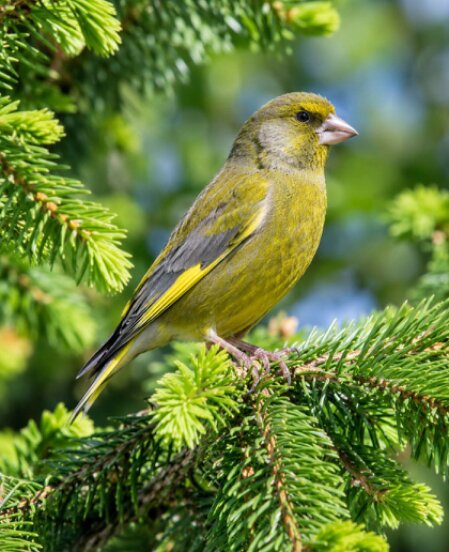
Handling, Enrichment & Welfare
Greenfinches respond best to calm routines. Minimise intrusive handling; instead, use steady presence, consistent feeding times, and deliberate, quiet movements.
Handling
• Train to step to a perch; avoid frequent netting.
• Keep sessions short, end on positive notes.
Enrichment
• Rotate natural branches, seed heads (teasel, millet sprays), safe browse, and shallow baths.
• Provide visual cover and line-of-sight breaks to reduce stress.
Welfare cues
• Good appetite, smooth preening, engaged song/calls, and frequent bathing indicate content birds.
• Reduce disturbance during moult and breeding.
Legal & Ethical Notes (UK)
Keep only captive-bred, closed-ringed Greenfinches from reputable sources. Retain proof of origin (seller details, ring numbers). Do not take birds or nests from the wild.
Key points
• Rings & paperwork: Closed rings with legible year/ID; keep sales receipts and records.
• Trading & transport: Follow local rules; ensure birds travel in safe, appropriate carriers.
• Welfare first: Adequate housing, diet, and veterinary care are legal and ethical duties.
• Ethics: Prioritise robust, diverse bloodlines; avoid selling or buying birds in poor condition.
For nuanced topics and updates, read the legal overview on our blog.
FAQs & Further Reading
FAQs
Q: Can Greenfinches live indoors year-round?
A: Yes, in a large, well-ventilated flight cage with stable temperature and daylight rhythms.
Q: What greens are safe?
A: Chickweed, dandelion, sow thistle, tender garden herbs (unsprayed). Avoid toxic plants.
Q: How often should I provide soft food?
A: 3–5 times per week for maintenance; daily during breeding and chick-rearing.
Further reading
• Explore our blog for deep dives on diet, quarantine, and breeding.
• Visit About & Contact for our story and how to reach us.
Image note: You can replace any placeholder image with your own photos at any time to better represent your birds and setup.